

Table of Contents
- 1. Understanding ISO 27001 risk assessment fundamentals 🎯
- 2. Identifying information security assets and vulnerabilities 🔍
- 3. Evaluating risk impact and probability for startups 📊
- 4. Implementing effective security controls and treatments 🛠️
- 5. Documenting the Statement of Applicability 📋
- 6. Establishing continuous monitoring and review cycles 🔄
- 7. Transforming risk management into enterprise value 💎
- 8. FAQs ❓
- 9. Book a free consultation 📞
Startup founders face mounting pressure to prove their data protection capabilities, especially when enterprise buyers demand formal evidence of security before signing contracts. ISO 27001 establishes a structured risk assessment methodology that translates vague cyber threats into manageable, prioritized business decisions. This proactive framework enables your team to allocate limited engineering resources effectively, protect critical operational data, and demonstrate the institutional maturity that unlocks major procurement channels. This article walks you through building a practical risk assessment process that satisfies certification requirements while ensuring it doesn't paralyze your daily momentum.

Understanding ISO 27001 risk assessment fundamentals 🎯
Risk assessment forms the core engine of any ISO 27001 certification journey. The standard requires organizations to systematically identify potential threats to their information assets, evaluate the potential impact on business operations, and determine acceptable levels of exposure. You'll establish a formal, repeatable methodology that ensures consistent evaluation across your entire organization, rather than relying on ad-hoc security decisions based on the latest industry headlines or reactive decisions.
ISO 27001 certification is not just about checking technical boxes. It's about building comprehensive security into your operational DNA. You'll define specific risk criteria, assess current system vulnerabilities, and document the rigorous evidence that auditors require for formal validation. This foundational work transforms abstract anxieties about data breaches into a highly measurable system of corporate governance. Instead of seeing risk assessment as a compliance hurdle, see it as a strategic exercise that clarifies exactly where your security investments deliver the most value.
Identifying information security assets and vulnerabilities 🔍
The first step involves mapping the digital and physical assets that support your critical business functions across the entire company. This inventory extends far beyond basic servers and codebases to include employee devices, third-party software vendors, physical office locations, and sensitive intellectual property. By carefully cataloging these varied assets, you'll build a clear, comprehensive picture of what requires absolute protection and exactly where your most sensitive client information resides daily.
Once your corporate assets are clearly identified, the framework requires methodically pairing them with potential vulnerabilities and external threats. A cloud database might face serious risks from misconfigured access controls, while a growing remote workforce introduces localized risks related to unsecured home networks. Pro tip: Group similar assets like employee laptops into categories rather than listing each device individually to keep your risk register manageable during your first audit.
Evaluating risk impact and probability for startups 📊
After identifying potential threats, the next phase involves scoring them based on the likelihood of the security event occurring and the actual business impact if it executes. This structured scoring system provides a mathematical foundation for your ongoing security decisions. It's what moves internal conversations away from emotional reactions toward highly objective resource allocation.
You'll establish an acceptable risk threshold that aligns with your startup's growth stage and enterprise client expectations. Risks scoring above this threshold require immediate remediation plans, while lower risks are continuously monitored. This framework reduces overall exposure, streamlines technical operations, and creates audit trails that satisfy investors.
This prioritized approach directly accelerates growth timelines. A 12-person fintech team running parallel tracks compressed what typically feels like a multi-year roadmap into 7 months. Quickly Technologies hit ISO 27001 at month 4 through EIM-guided implementation, opening enterprise conversations immediately with their posture verifiable through a trust center.

Implementing effective security controls and treatments 🛠️
Treating unacceptable risks requires carefully selecting appropriate security controls from the standard's comprehensive framework of protections. You'll choose to mitigate the identified risk through technical implementations, transfer the financial burden via specialized insurance, avoid the risky activity entirely by changing your business model, or formally accept the exposure with explicit executive management approval.
Your chosen treatments need to directly address the specific vulnerabilities identified during your earlier assessment phase. You'll establish strict access protocols, implement modern encryption standards, and demonstrate verifiable control mechanisms to your certification auditors. Connecting specific technical controls to clearly identified risks ensures that every security initiative serves a documented operational purpose.
"Security is not a product, but a process." - Bruce Schneier
This principle defines effective control implementation for modern startups. The founder who approaches security treatments with systematic documentation does more than satisfy demanding auditors. They build operational resilience that scales predictably as the company acquires more complex enterprise customers.
Documenting the Statement of Applicability 📋
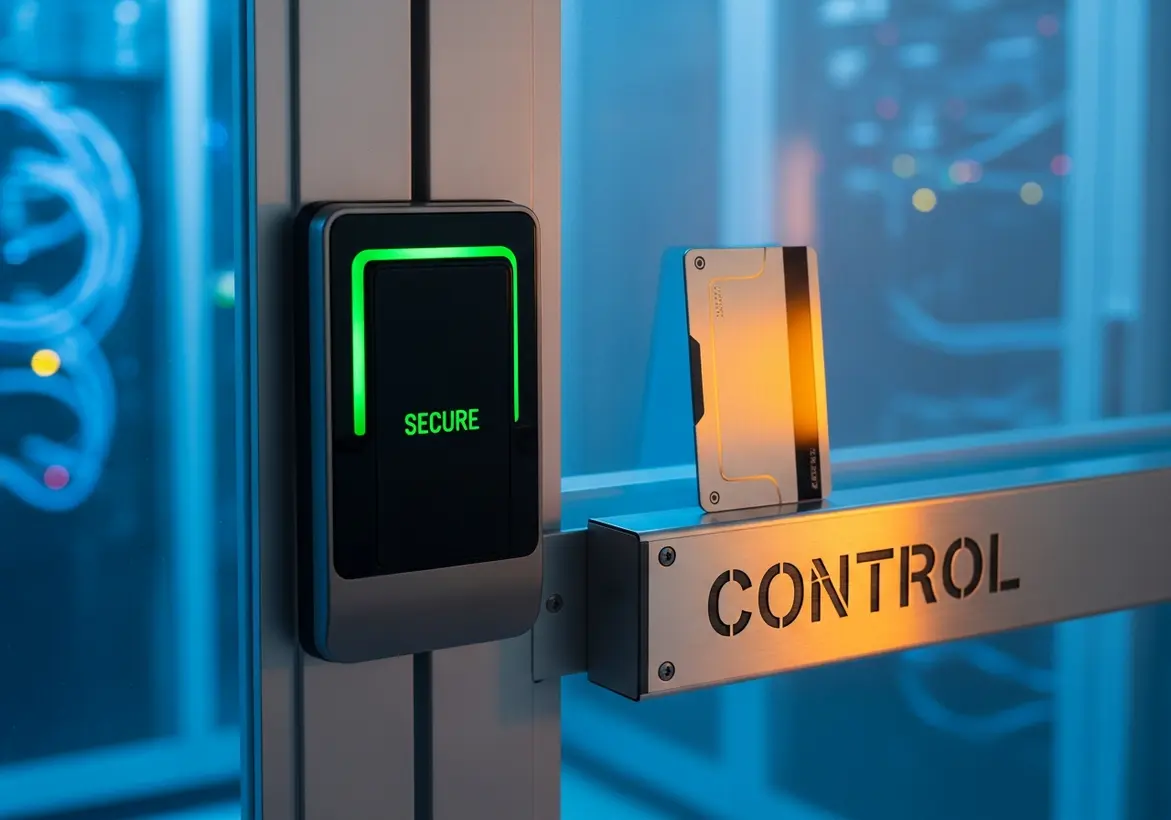
The Statement of Applicability serves as the definitive structural bridge between your risk assessment findings and the specific controls you've chosen to implement. This required certification document explicitly lists which of the standard's controls you're actively applying, the business justification for their inclusion, and the logical reasoning for any controls deemed unnecessary for your specific startup environment. Creating this document forces absolute clarity regarding your entire security architecture and resource allocation.
It becomes the primary operational roadmap for external auditors, showing them exactly how your theoretical risk treatment plan translates into daily technical operations. Maintaining highly accurate documentation reduces audit friction, clarifies internal team responsibilities, and provides a reliable baseline for future security enhancements. Pro tip: Run SOC 2 certification and ISO 27001 in parallel if targeting international markets - framework overlap means your Statement of Applicability satisfies numerous critical requirements for both standards simultaneously.
Establishing continuous monitoring and review cycles 🔄
A compliant risk assessment is never a static, one-time project meant to gather dust in a digital folder. As your startup releases major new features, enters different geographic markets, or adopts emerging cloud technologies, your external threat landscape fundamentally changes. The standard explicitly requires organizations to review and aggressively update the risk register at planned intervals or whenever significant operational shifts occur.
You'll establish rigorous governance routines that evaluate whether your actively implemented controls continue to manage modern risks effectively. This involves scheduling quarterly management reviews, conducting thorough internal audits, and verifying that your overarching security posture organically evolves alongside your ambitious business objectives.
Enterprise buyers evaluating vendors want evidence, not assurances. Ultimarii addressed this directly through EIM-guided compliance implementation across multiple frameworks in 11 months, building a publicly accessible trust site that answers buyer questions before they're asked. This ongoing commitment proves that your continuous monitoring processes function exactly as designed.
Transforming risk management into enterprise value 💎
Proper risk assessment isn't just a mandatory compliance exercise; it rapidly becomes a core strategic advantage for ambitious founders. When your engineering and operational teams instinctively evaluate the deep security implications of new vendors or complex product architectures, you significantly reduce the likelihood of costly technical remediation down the road. This institutional maturity directly impacts your ability to confidently close large deals faster.
Modern enterprise procurement teams heavily scrutinize vendor risk management capabilities before authorizing access to their valuable corporate data. A formal, internationally certified approach explicitly proves that you treat their sensitive information with the same rigor they do internally. Instead of treating ISO 27001 certification as a legal checkbox required by procurement, treat it as a powerful customer trust framework that strengthens your market position. This proactive stance entirely removes security as a friction point during late-stage contract negotiations.
FAQs ❓
What does having ISO 27001 mean?
Having this certification means an accredited external auditor has formally verified that your organization operates a highly functional Information Security Management System. It demonstrates that you systematically identify operational risks, implement appropriate security controls, and commit to continuous, documented protection of all client and internal data.
What are the four pillars of ISO 27001?
While the standard is highly comprehensive, it generally rests on establishing executive management commitment, implementing a formalized risk assessment methodology, applying specific technical security controls, and maintaining continuous operational improvement. Together, these elements ensure data security remains an active organizational priority.
What is ISO 27001 security?
It's a holistic, process-driven approach to protecting vital information confidentiality, integrity, and absolute availability. Rather than just focusing heavily on IT infrastructure like standard firewalls, the standard requires securing physical office environments, managing human resources safely, and ensuring highly secure relationships with third-party vendors.
How much does ISO 27001 cost?
Certification costs vary significantly based on your company size, existing control complexity, technical infrastructure readiness, and your chosen accredited audit body. Book a free consultation to carefully review your current operational state and realistically discuss customized pricing tailored entirely to your specific startup situation.
How often do risk assessments need to be performed?
The standard requires organizations to perform formal, documented risk assessments at planned intervals, which most auditors expect to see annually. However, you'll also conduct comprehensive assessments whenever major changes occur, such as launching entirely new core products or rapidly entering highly regulated geographic markets.
Book a free consultation 📞
Navigating the technical requirements of ISO 27001 risk assessment requires a clear methodology tailored to your startup's specific operational realities. EIM Services has guided numerous seed-stage and Series A companies through streamlined certification journeys that build robust security frameworks, ensuring the process doesn't slow down your core product development. Book a free consultation to discuss your current compliance readiness, develop a realistic implementation roadmap, and understand exactly how achieving this essential certification positions your company for sustainable enterprise growth.
Oleg
Co-Founder @ EIM
Serving the startup community since 2024
20+ years in Enterprise
EIM Services has partnered with multiple Canadian and International startups to deliver scalable, cost-effective, and solid solutions. Our expertise spans pre-seed to Series A companies, delivering modern continuous certification and compliance solutions tailored for Startups in the cost-effective and shortest possible time. As well as bringing automated financial systems that reduce financial overhead by an average of 50% while ensuring investor-grade reporting at a fraction of the cost of an in-house team. We've helped startups save thousands through strategic financial positioning and compliance excellence.
