

Table of Contents
- 1. Understanding GDPR compliance fundamentals 🌍
- 2. Determining jurisdictional requirements 🔍
- 3. Core data protection principles 📋
- 4. Building a systematic privacy approach 🏗️
- 5. Establishing technical security controls 🔐
- 6. Maintaining compliance maturity 📈
- 7. Transforming privacy into an advantage 🚀
- 8. FAQs ❓
- 9. Book a free consultation 📞
Startup founders expanding internationally eventually face the complex reality of European data privacy regulations. Implementing GDPR compliance establishes a universal data protection framework that structures exactly how your company collects, processes, and secures user information across borders. This proactive governance approach prevents costly legal complications while building verifiable trust with international enterprise clients who demand rigorous privacy standards before signing contracts. This article walks you through determining your precise regulatory obligations, understanding core data protection principles, and building a sustainable privacy management system that supports your broader business objectives.
Understanding GDPR compliance fundamentals 🌍
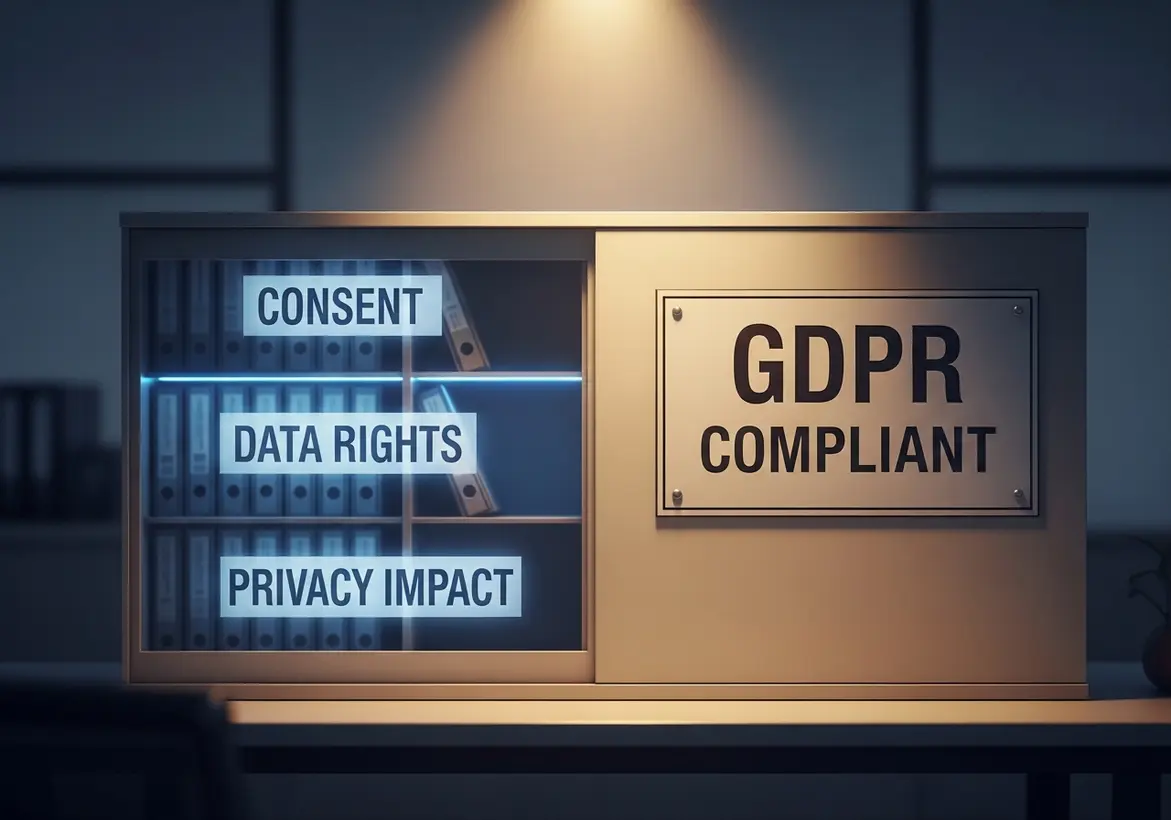
The General Data Protection Regulation establishes comprehensive privacy standards that govern how companies handle personal information globally. While drafted by the European Union, this regulatory framework reaches far beyond geographic borders and local jurisdictions. It creates strict parameters for data collection, processing transparency, and user rights management that modern technology companies face when entering the global market. You'll need to establish a clear legal basis for every piece of information your systems ingest, process, and retain over time. This means your engineering teams evaluate how data moves through your infrastructure before writing a single line of code.
GDPR compliance is not a legal burden. It's a trust framework that strengthens customer relationships. You establish privacy policies, implement technical controls, and document processing activities that international regulators require. This systematic approach transforms scattered data practices into an organized governance structure. By embedding privacy into your operational DNA from the start, your startup demonstrates the advanced maturity expected by enterprise procurement teams, sophisticated investors, and privacy-conscious consumers who evaluate your platform against global alternatives.
Determining jurisdictional requirements 🔍
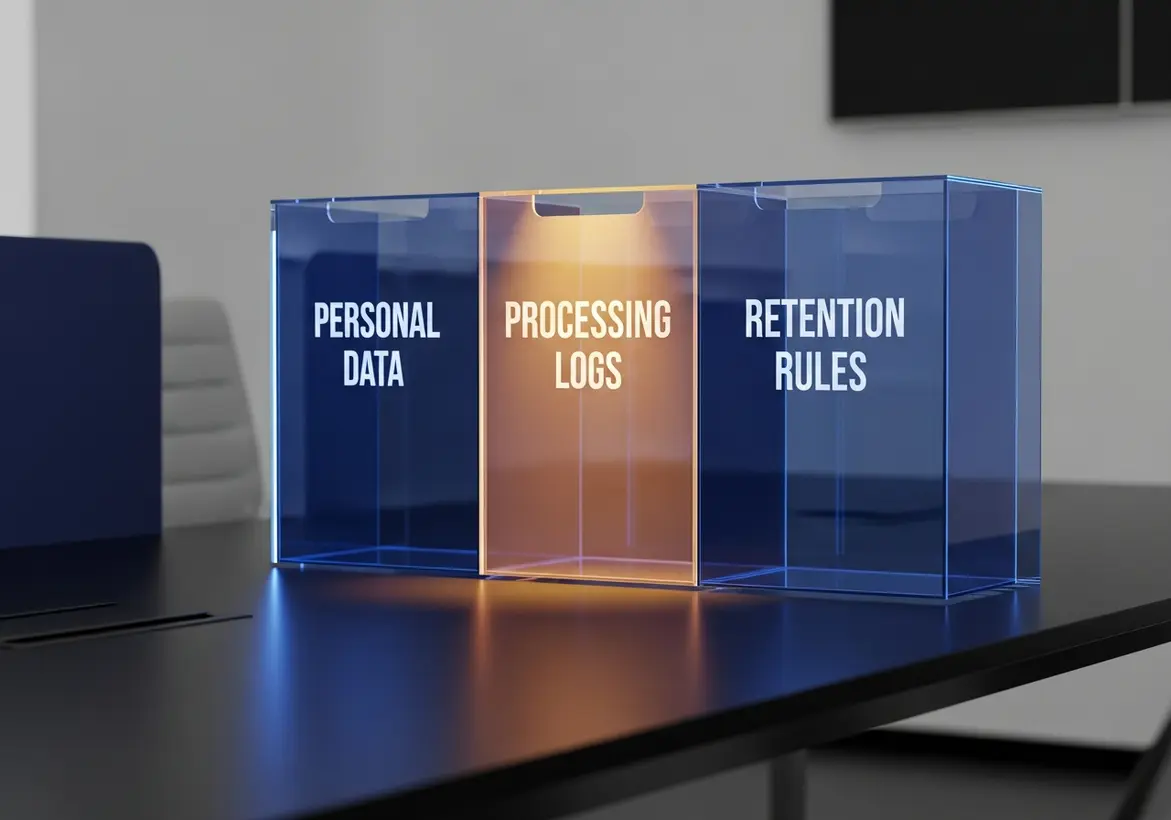
Many founders assume domestic privacy laws provide sufficient cover for their software operations. The European framework applies based on the location of the data subject rather than the physical location of the business entity. If your platform offers goods or services to individuals in the European Union, or monitors their digital behavior through tracking technologies, you fall under these regulatory requirements regardless of where you've established your headquarters. If you utilize third-party analytics tools that capture IP addresses or device identifiers from European users, your regulatory obligations trigger immediately.
This extraterritorial scope means that a North American SaaS platform tracking European website visitors or processing EU customer payments needs to adhere to these rigorous standards. Assessing your actual exposure begins with a detailed data mapping exercise to identify exactly where your user information originates, how it moves through your cloud infrastructure, and where it ultimately resides.
Pro tip: Implement continuous monitoring for data processing activities - periodic manual audits miss compliance gaps that automated tools catch in real-time.
Core data protection principles 📋
The regulation operates on seven fundamental principles that dictate how personal data gets treated throughout its entire lifecycle within your application. These core concepts include lawfulness, purpose limitation, data minimization, accuracy, storage limitation, integrity, and strict accountability. Understanding these foundational elements provides the baseline for evaluating your current technical architecture and identifying specific areas that require immediate remediation before scaling your operations further.
Translating these theoretical principles into concrete engineering requirements takes careful coordination between your legal advisors and product teams. Founders build systems that collect only the absolute minimum necessary information, retain it only as long as functionally required, and protect it with appropriate cryptographic security measures. This architectural discipline reduces your attack surface, streamlines database performance, and creates comprehensive audit trails that satisfy regulatory scrutiny.
Fortune 500 procurement teams evaluating vendors want evidence, not assurances. Ultimarii addressed this directly through EIM-guided compliance implementation across three frameworks, achieving GDPR compliance at month 11 after an ISO 27001, SOC 2 Type II, and ISO 42001 10-month journey. A publicly accessible trust site has been made available that answers buyer questions before they're asked, dramatically shortening enterprise sales cycles.
Building a systematic privacy approach 🏗️
The first step toward alignment involves conducting a thorough gap analysis to measure your existing operations against stringent regulatory requirements. This assessment becomes your strategic roadmap, showing which engineering practices require technical implementation and which demand fundamental cultural shifts in how your team handles user information. Moving systematically prevents the wasted effort of implementing disjointed privacy tools without a cohesive, unifying strategy across your company.
From there, the framework requires establishing a documented lawful basis for every specific type of data processing you conduct. This foundational work involves rewriting complex consent mechanisms, updating public privacy notices, and creating detailed internal registers of processing activities. You'll build resilient processes to handle data subject access requests, allowing users to efficiently review, correct, or delete their personal information within the mandated regulatory timeframe. This operational capability proves crucial when enterprise clients audit your platform's privacy controls during procurement.
"Privacy means people know what they're signing up for, in plain English, and repeatedly." - Steve Jobs
The founder who approaches privacy controls with systematic documentation does more than satisfy regulators. They build operational resilience that scales predictably.
Establishing technical security controls 🔐
Regulatory adherence requires robust information security measures to protect the sensitive personal data you've committed to safeguarding on behalf of your users. The framework mandates technical and organizational controls perfectly appropriate to the level of risk associated with your specific processing activities. This critical alignment between privacy regulations and security standards often drives growing tech companies to pursue formal ISO 27001 certification concurrently to maximize their resource investments.
Strong data encryption protocols, role-based access controls, and regular vulnerability testing form the essential technical backbone of your comprehensive privacy program. Encryption at rest and in transit provides the fundamental baseline, but modern compliance requires comprehensive access management. The standard requires establishing rigorous incident response protocols that ensure potential data breaches get swiftly identified, properly contained, and accurately reported to supervisory authorities within the strict reporting window.
Pro tip: Run your privacy program and SOC 2 certification readiness in parallel if targeting international markets - framework overlap means minimal duplicate work when properly coordinated.

Maintaining compliance maturity 📈
Achieving initial alignment represents a structural milestone rather than a final operational destination for your startup. Your data protection framework needs to continuously evolve alongside your new product features, aggressive market expansion, and internal team growth. Continuous maintenance ensures that rapid engineering releases and experimental marketing initiatives don't inadvertently introduce hidden privacy violations or undocumented data flows into your production environment.
This ongoing governance requires consistently conducting Data Protection Impact Assessments for any new high-risk processing activities or major architectural changes. You'll implement strict vendor management procedures to verify that your critical third-party service providers maintain equivalent privacy standards. Regularly training your expanding staff on proper data handling procedures actively reduces human error, strengthens overall operational security, and creates a vigilant internal culture. When your team understands the exact reasoning behind privacy controls, they become your strongest defense against accidental data exposure.
Instead of treating privacy governance as a static legal checkbox, treat it as a dynamic customer trust framework that strengthens your market position over time.
Transforming privacy into an advantage 🚀
Forward-thinking founders utilize rigorous data protection standards as a highly distinct market differentiator rather than a baseline operational cost. When massive enterprise buyers evaluate potential new software vendors, verifiable privacy practices dramatically accelerate notoriously slow procurement timelines. Enterprise buyers don't want to inherit privacy risks from their vendors. When you demonstrate precise international regulatory alignment, you prove your operational maturity to enterprise prospects who might otherwise naturally hesitate to partner with an early-stage technology company.
GDPR compliance is not just about avoiding financial penalties. It's about demonstrating control maturity that international investors recognize during critical funding due diligence. You systematically secure premium contracts, streamline security reviews, and position your platform for global adoption. When you elevate user privacy from a forced compliance afterthought to a core strategic business advantage, you build a remarkably sustainable foundation that confidently supports aggressive international expansion while protecting your customer trust.
FAQs ❓
* What does GDPR compliant mean?
Being GDPR compliant means an organization meets the European Union's requirements for properly collecting, handling, and securing personal data. It involves establishing lawful processing bases, protecting user rights, and maintaining technical security measures.
* Is Canada a GDPR country?
Canada isn't a European Union member and operates under its own privacy laws like PIPEDA. However, the European regulation applies to Canadian companies if they offer goods or services to EU residents.
* What are the core principles of GDPR?
The framework relies on key principles: lawfulness, fairness and transparency; purpose limitation; data minimization; accuracy; storage limitation; integrity and confidentiality; and accountability. These concepts govern all personal data processing.
* How do I become GDPR compliant?
Becoming compliant involves conducting a gap analysis, mapping data flows, updating privacy policies, and implementing technical security controls to protect user information. Timelines depend on your existing architecture.
* What happens during a regulatory privacy audit?
A regulatory audit involves examining your data processing registers, consent mechanisms, security protocols, and breach response plans. Regulators verify that your documented policies match your actual operational practices.
* Does this framework apply to B2B startups?
The regulation protects the personal data of individuals, which includes business contact information like corporate email addresses or direct phone numbers. B2B software companies processing this information for European professionals need to fully comply.
Book a free consultation 📞
Navigating complex international privacy regulations requires a structured operational approach that scales securely with your startup's global ambitions. EIM Services partners with technology founders to deliver systematic compliance implementations that satisfy strict enterprise procurement requirements without slowing your product development velocity. Book a free consultation to evaluate your current data protection practices, determine your precise regulatory obligations, and build a strategic privacy roadmap that accelerates your international growth.
Oleg
Co-Founder @ EIM
Serving the startup community since 2024
20+ years in Enterprise
EIM Services has partnered with multiple Canadian and International startups to deliver scalable, cost-effective, and solid solutions. Our expertise spans pre-seed to Series A companies, delivering modern continuous certification and compliance solutions tailored for Startups in the cost-effective and shortest possible time. As well as bringing automated financial systems that reduce financial overhead by an average of 50% while ensuring investor-grade reporting at a fraction of the cost of an in-house team. We've helped startups save thousands through strategic financial positioning and compliance excellence.
